Look at all those long hairs covering this little caterpillar.
It was quite a sight walking along.
** now identifed as the caterpillar of the Lichen Moth Cyana meyricki courtesy of Don Herbison-Evans from the Coffs Harbour Butterfly House.
Sometime later.........
Aha! That's what all those long hairs are for -
to weave a protective shelter whilst it is pupating.
So neatly built.
What a clever little thing!
Sandi x
**Edited 24th June to add this photo
Photographer Dr David Britton, Australian Museum
This is what the little hairy caterpillar turns into!
Having a cuppa on the verandah, I noticed a frog (trying to be inconspicuous) hiding amongst the agapanthus leaves.(photo taken in april) This little beauty is a 'Graceful Treefrog'.
It is amazing how they cling to the leaves with their padded toes.
I love the way they sit with their legs all neatly folded in.
Can you see Mr Roo in the background? He is quite used to me running off to get the camera to photograph the wildlife for the blog.......
A big centipede came with our load of winter wood.
Luckily we were wearing gloves at the time. These guys can give you a nasty bite. In the photo above, the head end is on the left.
Here it is heading for the safety of the wood stack. Hope we don't see it again!
We have had some brilliant winter weather these last few days.
Lovely sunny days and cool, cool nights - just perfect for sitting by the fire in the evenings (with wine glass in hand).
Cheers,
Sandi x
Don't know what seems to be happening with the photos. The post looks ok when it is put up, but next day, half the photos are missing???!!! It's very frustrating. Hope this problems sorts itself out soon.
Cheerio for now,
Sandi x
A frequent visitor to our gardens are the native 'blue banded' bees. They are slightly bigger and fatter than a honeybee. These bees are attracted to blue flowers. The flower featured here is a hedgehog sage.
This one (above) is sipping nectar from a mauve plectranthus flower.
Blue banded bees are capable of buzz-pollination, which is a method they use to vibrate the pollen from flowers. Industry is trialling them as pollinators for tomatoes in greenhouses.
It's nice to see these bees bumbling about in the garden.
The first one is a 'tortoise shell', or 'netty' ladybird.
Isn't it's shell glossy - just like is has been polished.
The '28 spotted Potato Ladybird Beetle'. Sometimes an agricultural pest - as it eats potato (and other solanum species) plant leaves. I usually leave them if I see them on my potato plants. They can chew the leaves - I'll have the potaotes!
A 'Fungus-eating Ladybird beetle'.
And lastly, this unidentified one.....lovely!
You might just see one in your garden.....
Last night I did a little spotlighting. As you do......
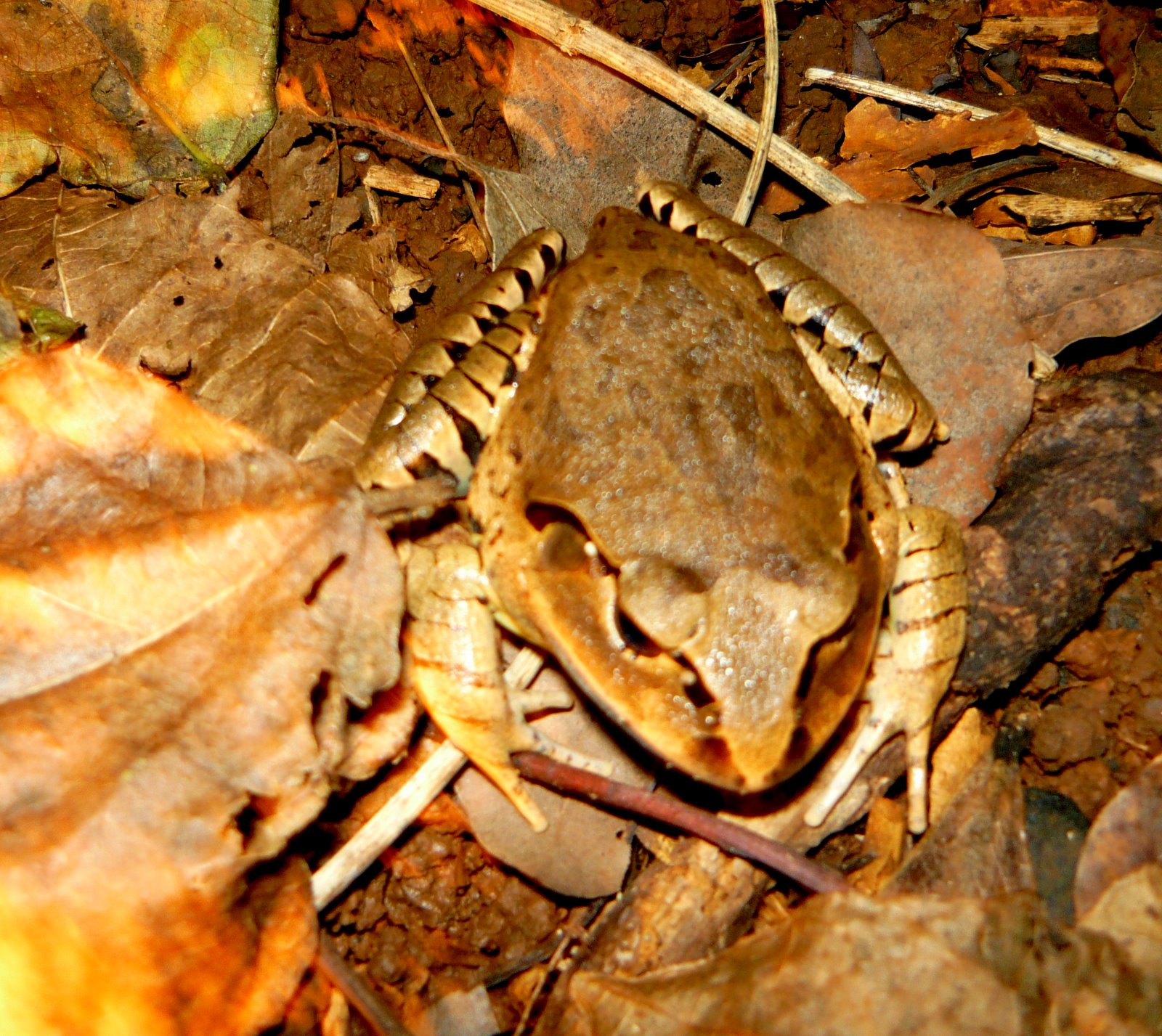
I could hear this guy nearby the house. They have a loud distinctive call - 'wark, wark, wark'.
It is a 'Great Barred Frog'.
Look at all those wonderful stripes!
Here's one I photographed previously in the daytime. These frogs are quite large.
They like to hide in the leaf mulch and are found along streams in rainforest or tall open forest.
Over in the pond garden was a 'Striped Marsh frog', laying a batch of eggs, before the temperature starts to cool down for autumn.
Quite a common frog here. They make a 'pop' or 'tok' sound. Sometimes there is an orchestra of marsh frogs in the pond.
Hi - di - ho .....and away we go,
hang on to your sticks, bug spotters, here is the very first post.
This is a longicorn beetle.
They are sometimes found on windows at night, attracted by the light. Their larvae eat rotten wood - nature's little recyclers.
These beetles have very very long antennae........